
Guides
-
96 Well Plate Template: Printable Grid and Plate Map
A 96 well plate template is a grid plus a record. What published plate layouts show…
-
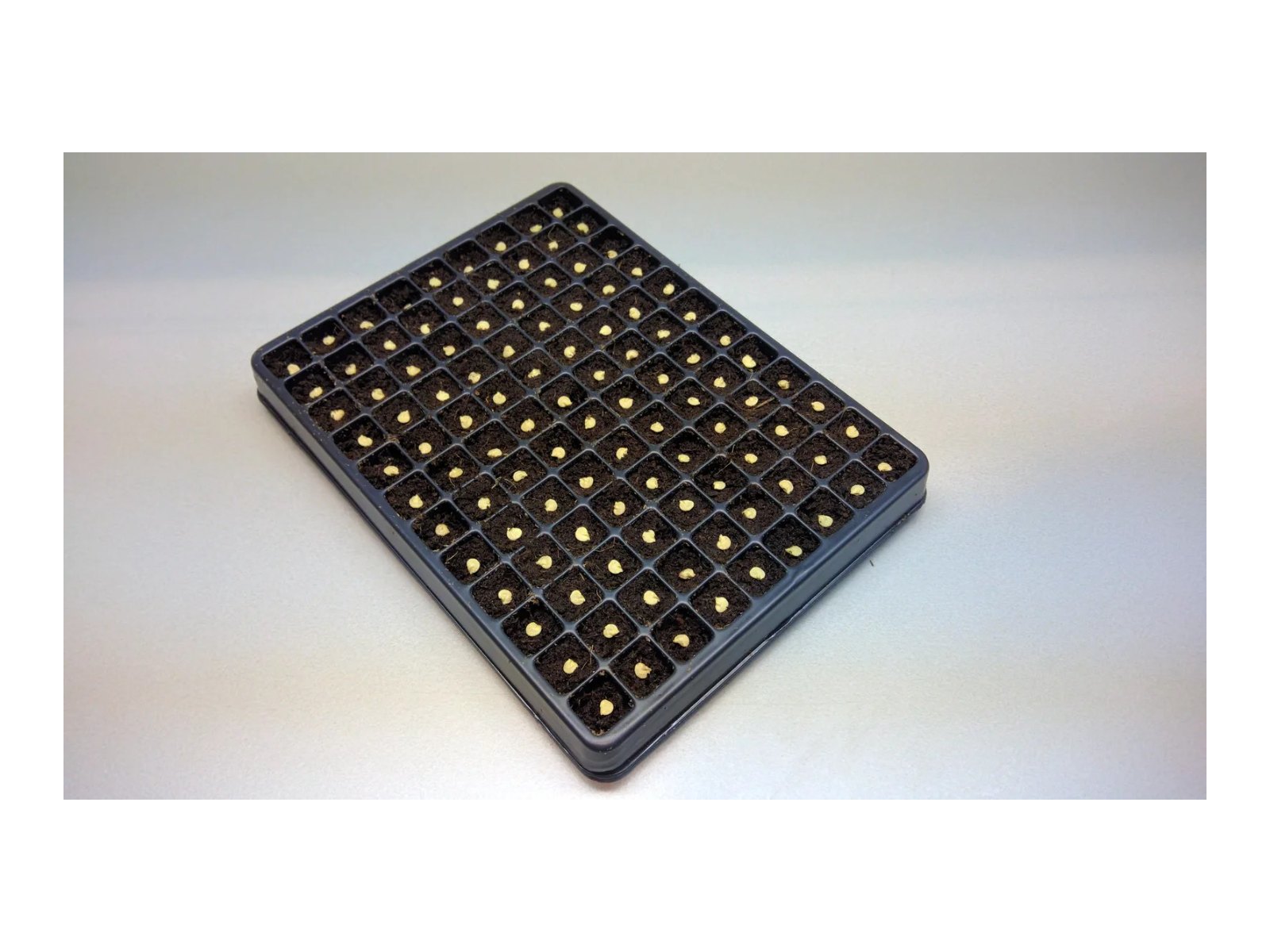
Seed Germination Test: From a Percentage to Per Seed
A seed germination test gives one percentage per lot. Three 2025 and 2026 papers scored seeds…
-

Zirconia Beads or Glass Beads? What Protocols Specify
Four 2025 and 2026 papers name their grinding media to a tenth of a millimetre. What…
-
CTAB DNA extraction at 96-well scale: cost and yield
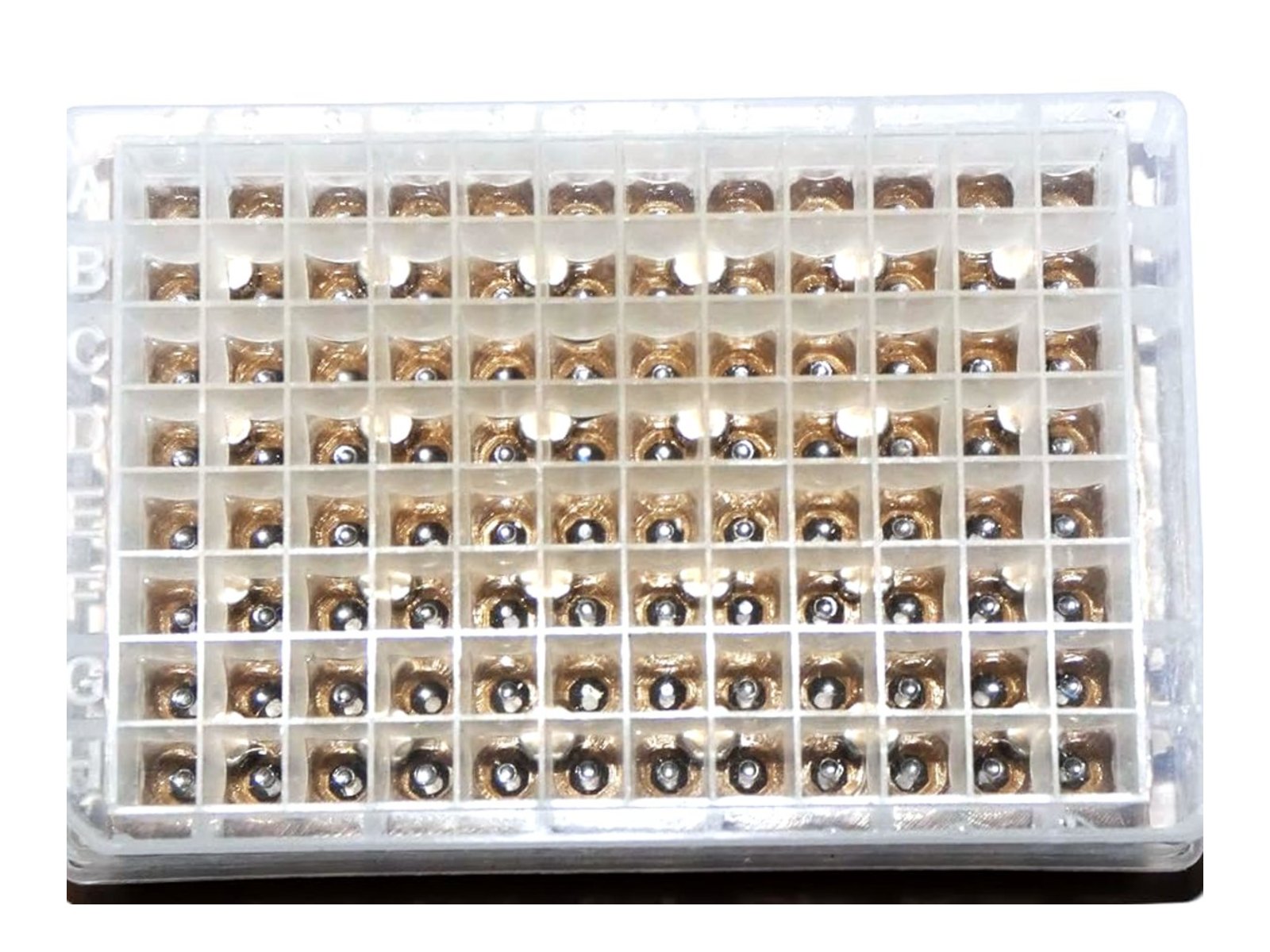
Two plate-based CTAB protocols state what they actually specify: beads per well, grinding settings, yield and…
-
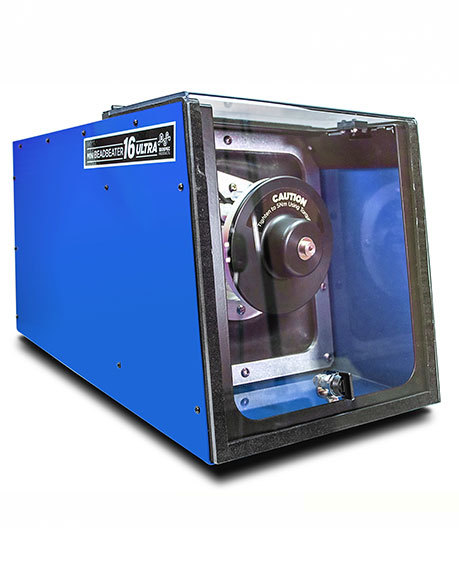
Matching a bead beater to the rack you already fill
BioSpec’s 16 and 24 ULTRA replace the standard models. Which machine takes the rack you already…
-
Bead Beating: How Long Is Long Enough?
Three 2026 papers measured what bead beating time, lysis completeness and instrument choice do to DNA…
-
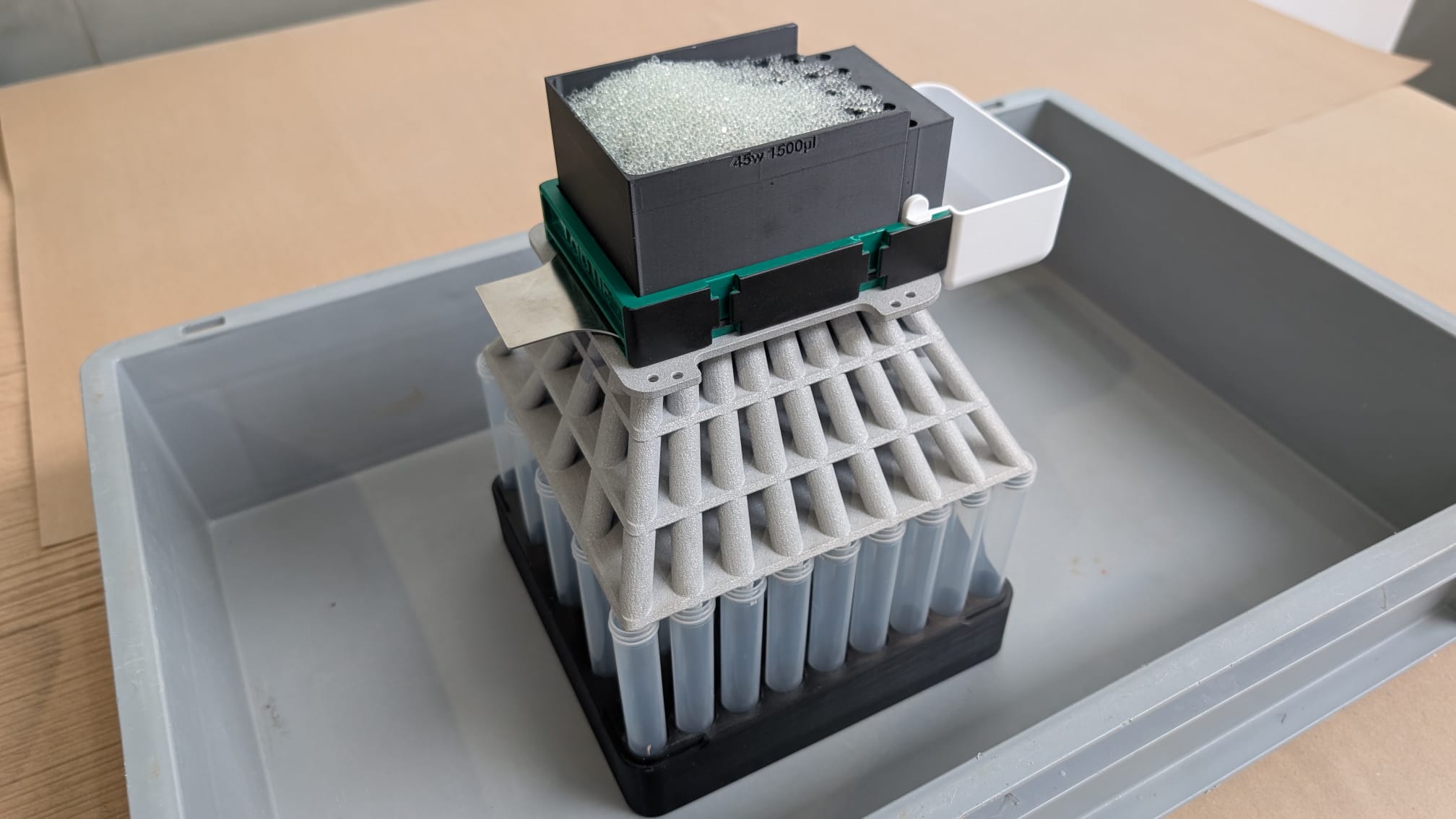
Tissue Homogenizer Beads: How Many per Tube or Well?
Published protocols specify tissue homogenizer beads by count, by mass, or not at all. Here is…
-
Seed Counter or Seed Dispenser: What Does Your Lab Need?
A seed counter tells you how many seeds you have. A seed dispenser tells you which…
-

What a Decade of Bead Dispenser Use Teaches You
After years of working with plant breeding and genomics labs across Europe, patterns emerge. Here is…
-
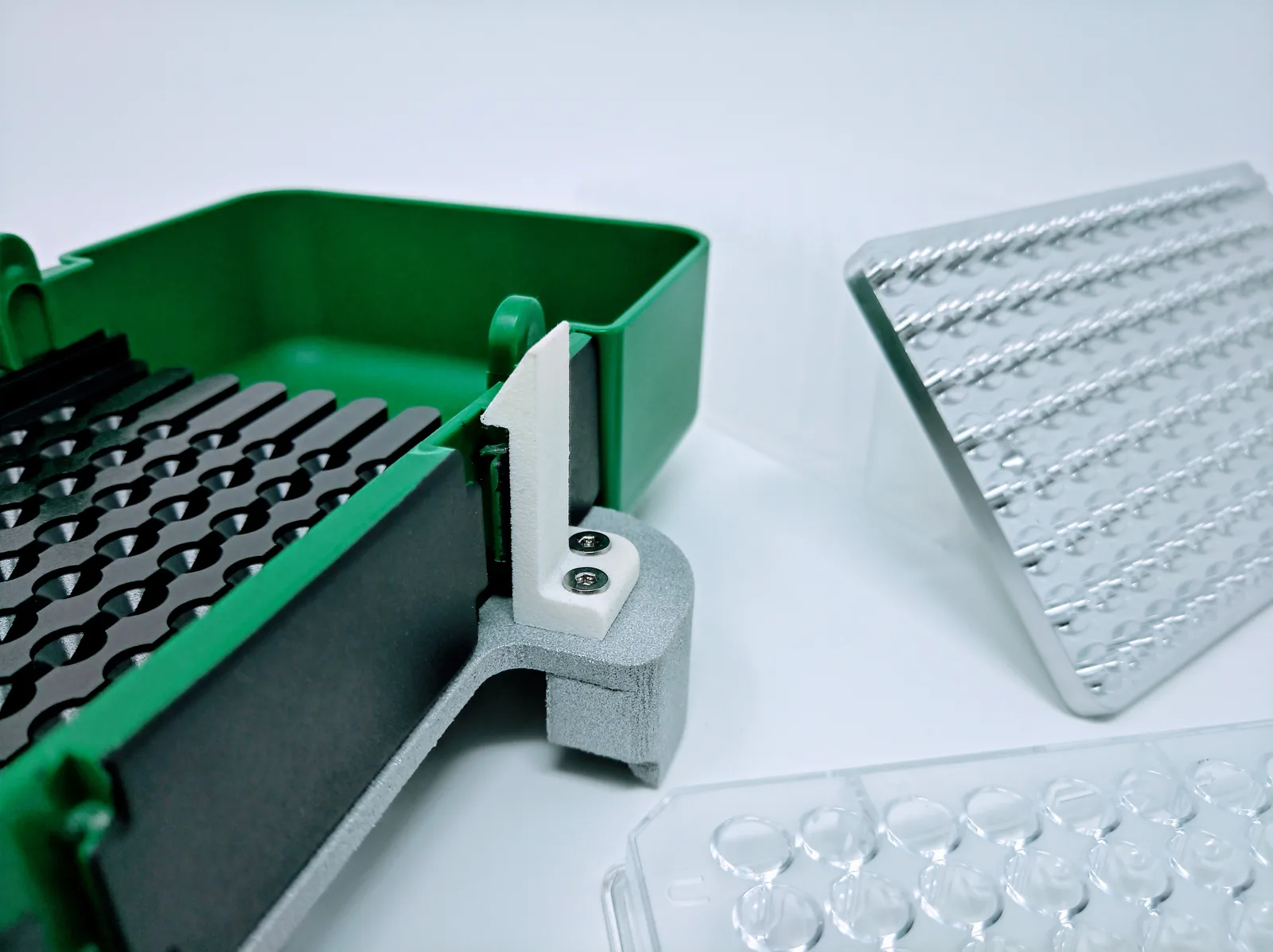
How Do You Fill a 96-Well Plate with Seeds for Germination or DNA Extraction?
How Do You Fill a 96-Well Plate with Seeds for Germination or DNA Extraction? At Wageningen,…