
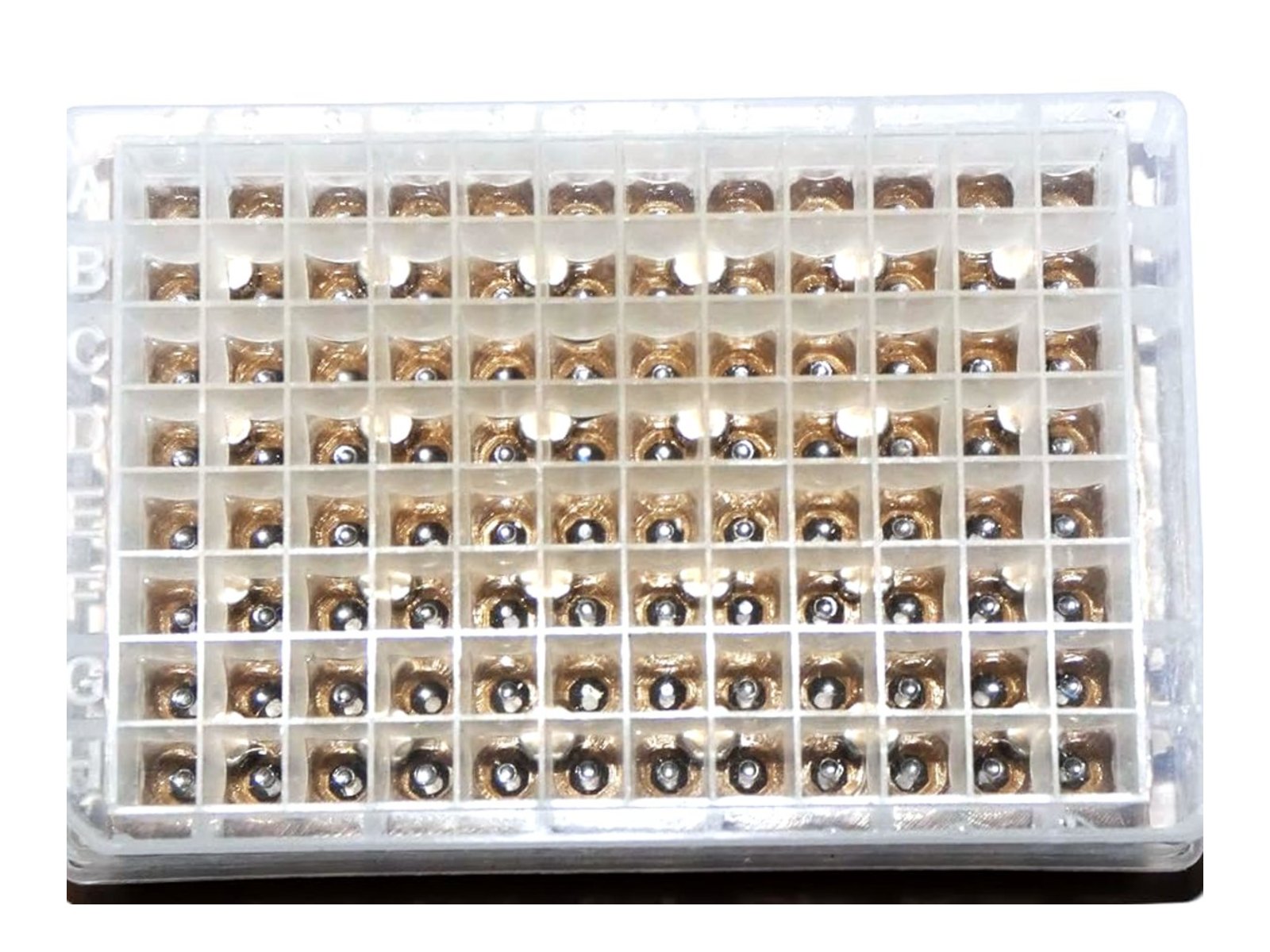
Choosing a bead dispenser sounds simple until you are the one hand loading 96 wells with 0.5 mm zirconium beads for the third time this week. The right one saves hours per plate, cuts the waste from failed fills, and gives you the same load every time, which matters when the plate feeds a bead beating homogenizer or a DNA or RNA extraction. Here is how the main options compare in 2026.
1. Modular manual dispensers with interchangeable mesh plates
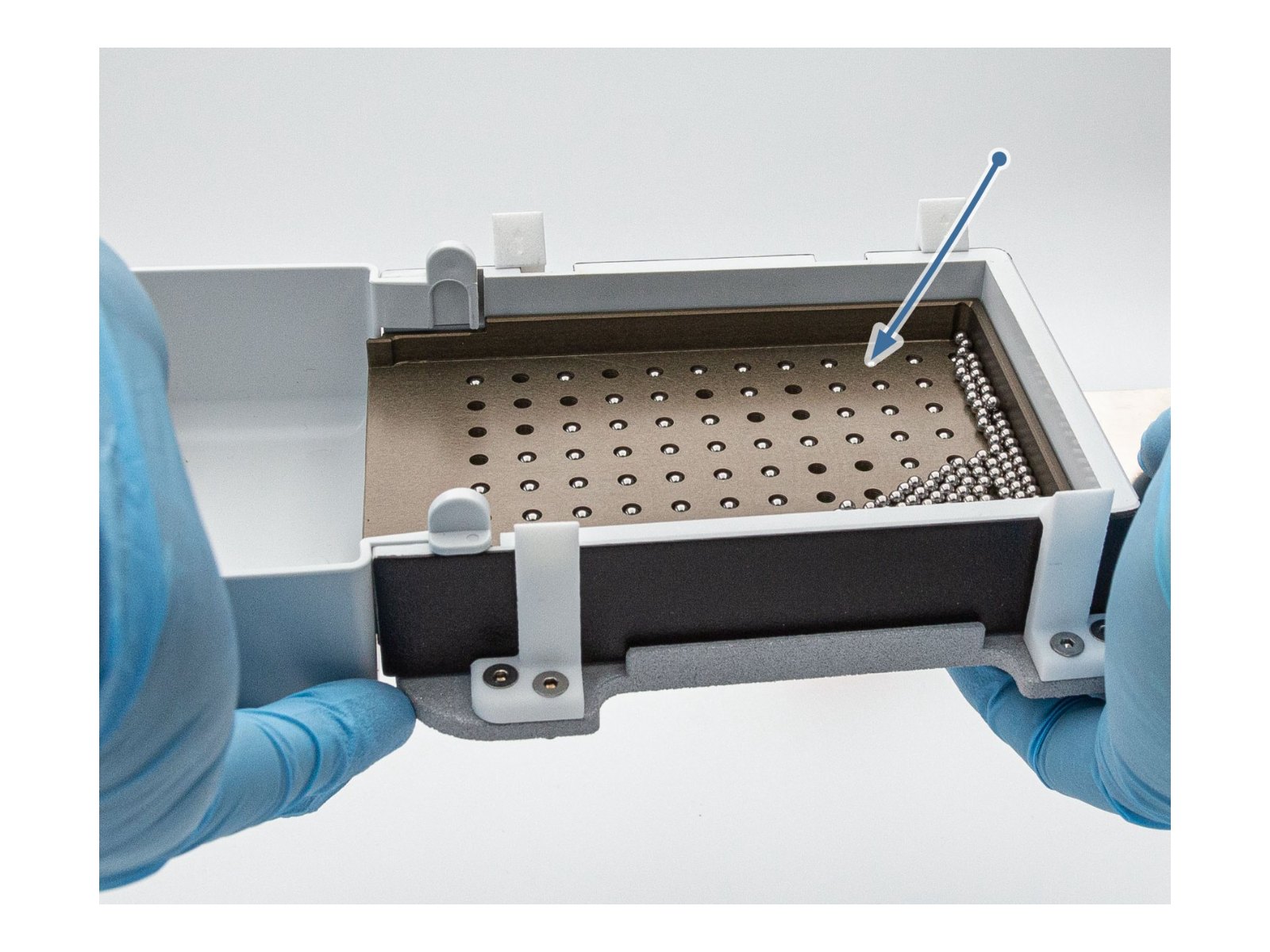
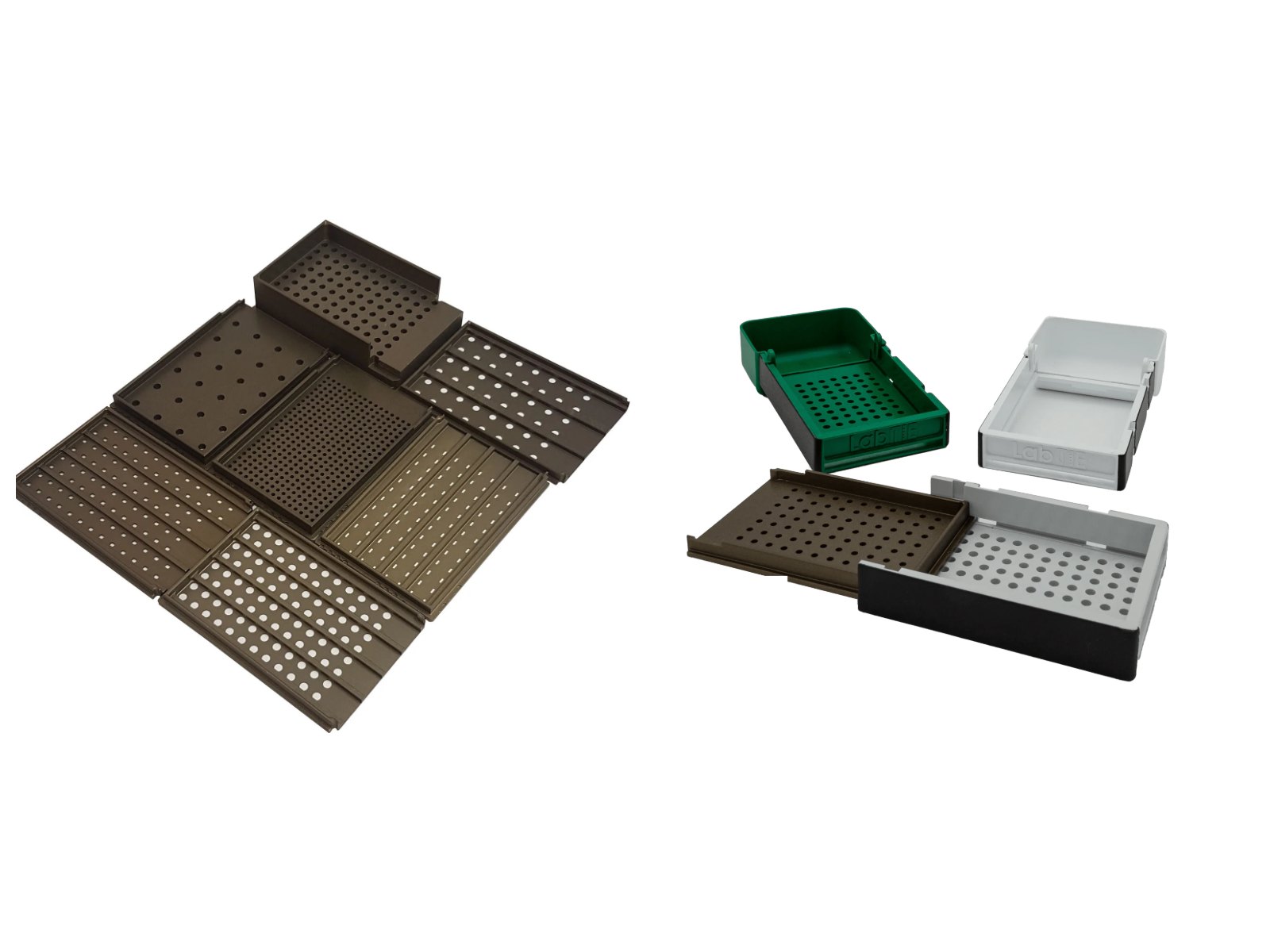
This is the category the LabTIE Bead Dispenser sits in. A single body accepts different mesh plates and converters, so one unit handles bead sizes from 0.3 mm up to 6.0 mm across 24, 48, 50, 96, 100 and 384 well formats, plus tubes and vials. The main advantage is flexibility. Labs that switch between assays do not need a new machine for every format, just a new mesh plate. Fill time is typically under a minute per plate, with no software or calibration step.
2. 3D printed, fully custom dispensers
A newer group of 3D printed dispensers lets you specify an exact bead size and count and have a cavity plate printed to match. They are attractive for very low volume or unusual bead shapes and often sit at a lower price. The trade off is durability and repeat consistency. Printed resin parts wear faster than machined components under daily use, and very fine or irregular batches can take several rounds of test prints to dial in.
3. Single format bead loaders
Some suppliers make a narrower tool built for metal grinding beads, commonly 3, 4 or 5 mm, loaded into a fixed 96 well layout for bead beating. Simple and effective if your whole workflow is standardised on one bead size and one format, less useful if your lab runs several protocols side by side.
4. Fully automated systems
At the high throughput end, automated systems dispense into hundreds of tubes or wells per run with no manual handling. They make sense for core facilities or biobanks running large, continuous batches, but the capital cost and footprint are usually hard to justify for a standard lab doing a handful of plates a week.
5. General lab marketplaces
Broad laboratory supply catalogs list dozens of dispensing accessories alongside everything else they sell. They are fine for a first browse, but you will not get application specific guidance on bead size ranges, format compatibility or custom options the way you will from a manufacturer.
What to check before you buy
- Bead size range. Can one dispenser cover every size your protocols use, or will you need several units?
- Format compatibility. Does it convert between plates, tubes and vials, or is it fixed to one?
- Batch to batch consistency. Ask for real accuracy data, not just a marketing claim.
- Support and custom options. Can the maker build a configuration for your exact container?
Want a dispenser that grows with your protocols instead of being replaced by them? Explore the LabTIE Bead Dispenser range or contact us for a configuration built around your exact beads and containers.
Leave a Reply