

Powder is the least forgiving material to dispense by hand. It is too fine to count and too variable to scoop the same way twice, so it is easy to over fill or under fill a well without noticing. That is why some labs reach straight for automation. It is not always the right call, though, and here is how to weigh it up.
When manual dispensing wins
- You dose a handful to a few dozen plates a week rather than running continuous production.
- Your target volumes change between protocols. A manual dispenser with an interchangeable mesh plate covers roughly 5 to 1000 µL per well without reprogramming.
- You move between 24, 48, 96, 100 and 384 well plates, or tubes and vials, with one physical unit.
- You want to avoid capital cost, calibration downtime and service contracts.
When automation starts to make sense
- You run the same powder, at the same volume, into the same plate format, at high and continuous volume.
- Your protocol needs gravimetric verification of every dose for QA or regulatory reasons.
- You have the budget, floor space and support to keep an automated line running.
The middle ground most labs need
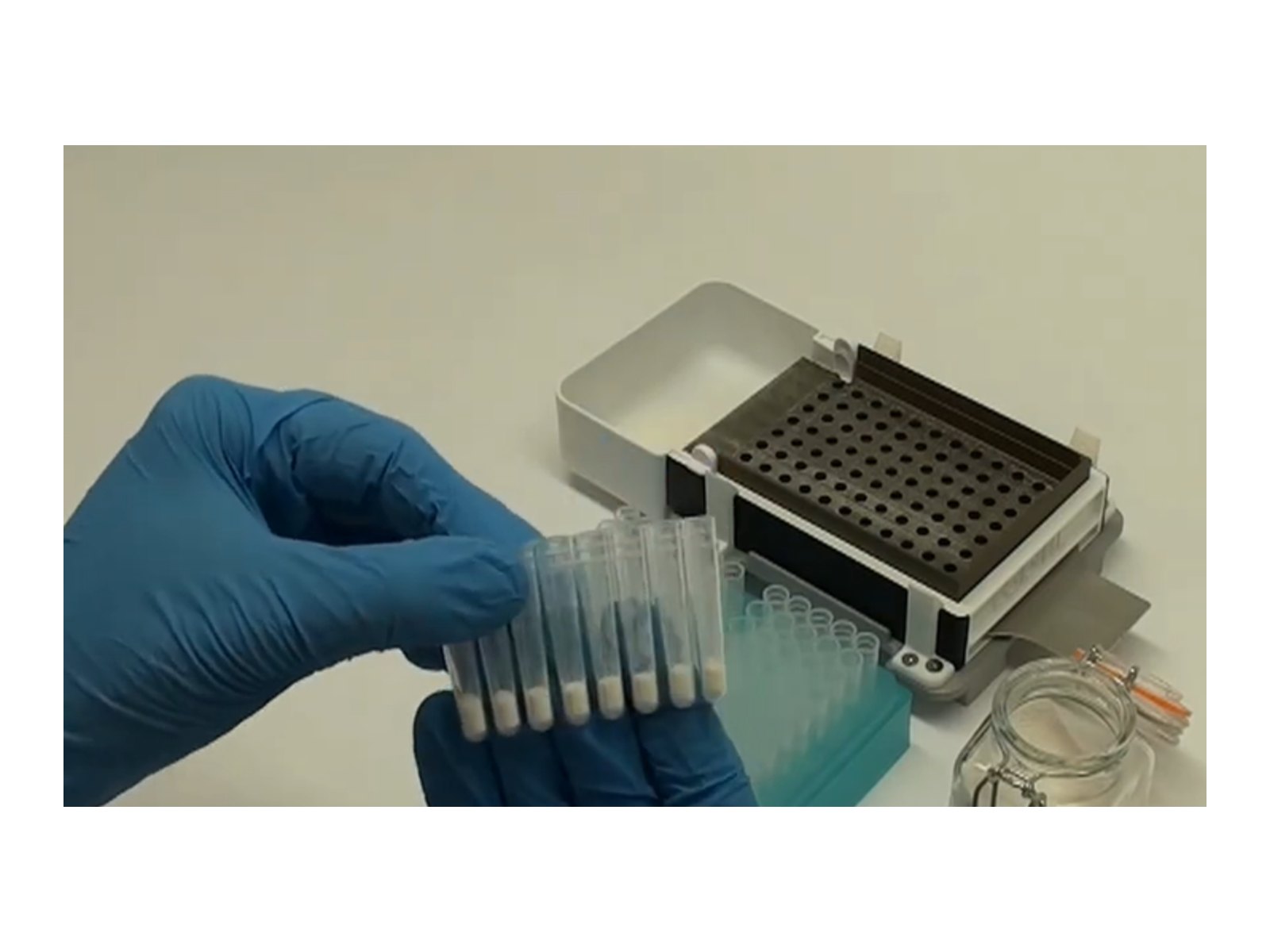
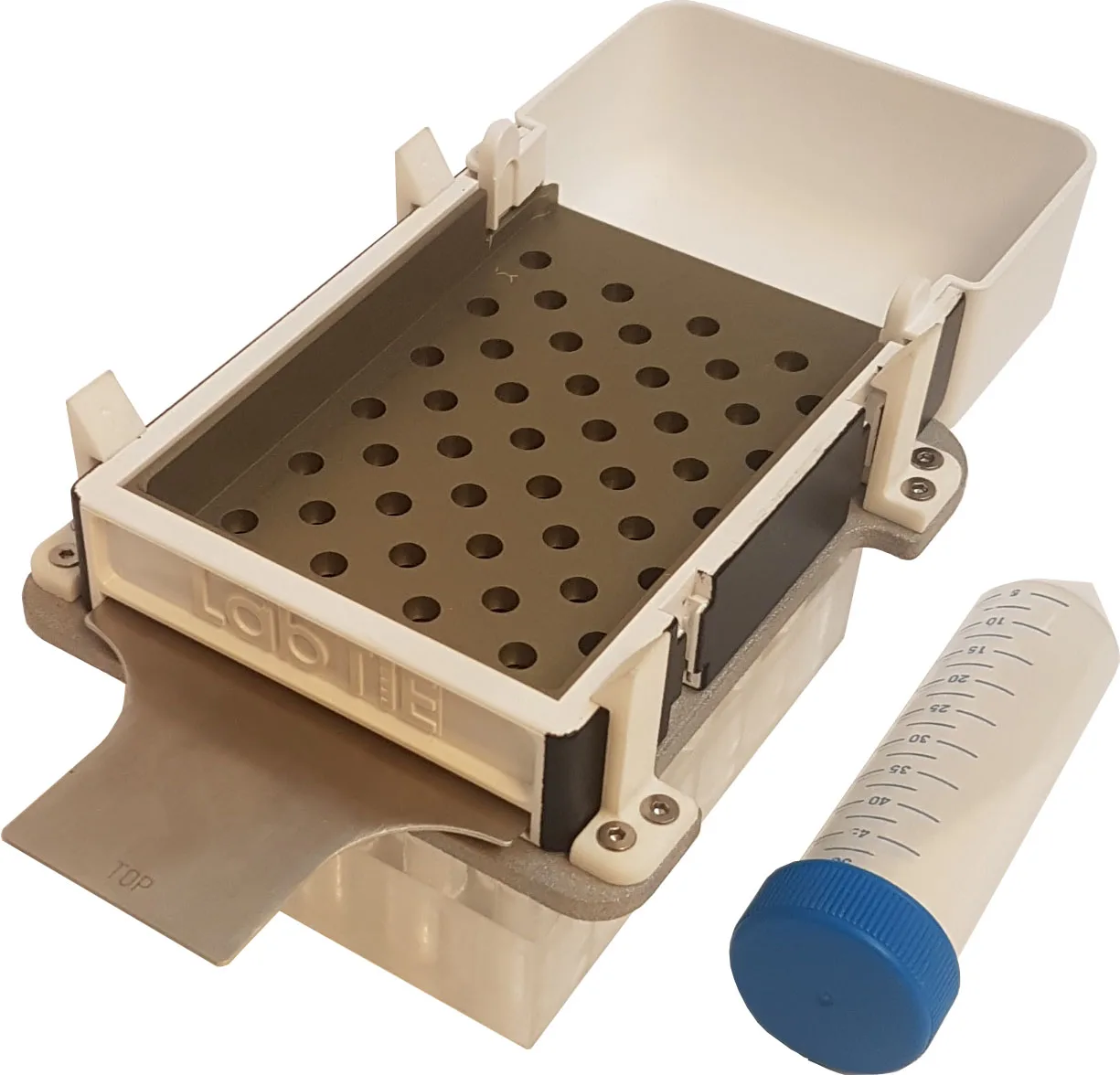
The LabTIE Powder Dispenser is built for the labs sitting between those two extremes. A manual pull slider with exchangeable mesh plates covers roughly 5 to 1000 µL per well across standard plate, tube and vial formats. There is no software, no calibration step and no minimum batch size. You fill a plate in under a minute and move on to the next protocol. For matching a mesh plate to your exact material and container, see our guide on choosing the right mesh plate.
Tell us your setup
Not sure which route fits your lab? Tell us your material, target volume and plate format and we will recommend a configuration, or browse the full LabTIE dispenser range.
Related
For tubes and vials rather than plates: the 45-tube powder dispenser fills 45 screwcap tubes of 1.5 or 2 mL in one motion, and the 24 GC vial powder dispenser does the same for 2 mL autosampler vials.
Leave a Reply